About this tongue weight calculator
Tongue weight is the vertical load a trailer places on the tow vehicle through the hitch. Too little can contribute to instability, while too much can overload the tow vehicle or hitch. Use measured tongue weight whenever possible.
How the calculation works
- Enter the loaded trailer weight.
- Choose a hitch type or custom target percentage.
- The calculator estimates tongue/pin weight and a target range for planning.
- Compare the result with payload, receiver, hitch and vehicle ratings.
Get a better result
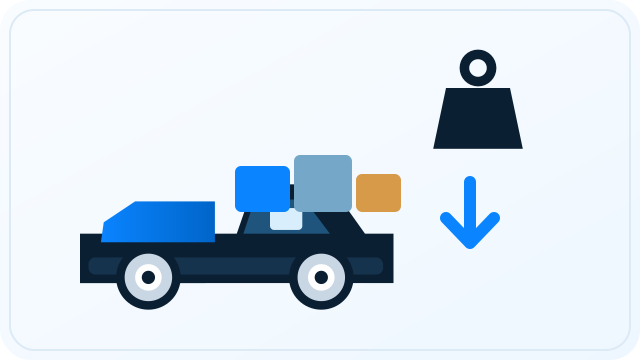
- Cargo placement can change tongue weight dramatically.
- Do not use a percentage estimate as a substitute for weighing the loaded setup.
- Verify receiver and hitch-component ratings separately.
Important: Tow Capacity Lab provides planning math, not a certification that a combination is safe, legal or manufacturer-approved. The lowest applicable rating always controls.
Frequently asked questions
What is a normal tongue-weight percentage?
Many conventional trailers are commonly set up in a manufacturer-recommended range around 10–15%, while fifth-wheel and gooseneck pin percentages are often higher. Always follow the recommendations for your exact trailer and hitch.
Can cargo placement change tongue weight?
Yes. Moving load forward generally increases tongue weight; moving it rearward generally decreases it.